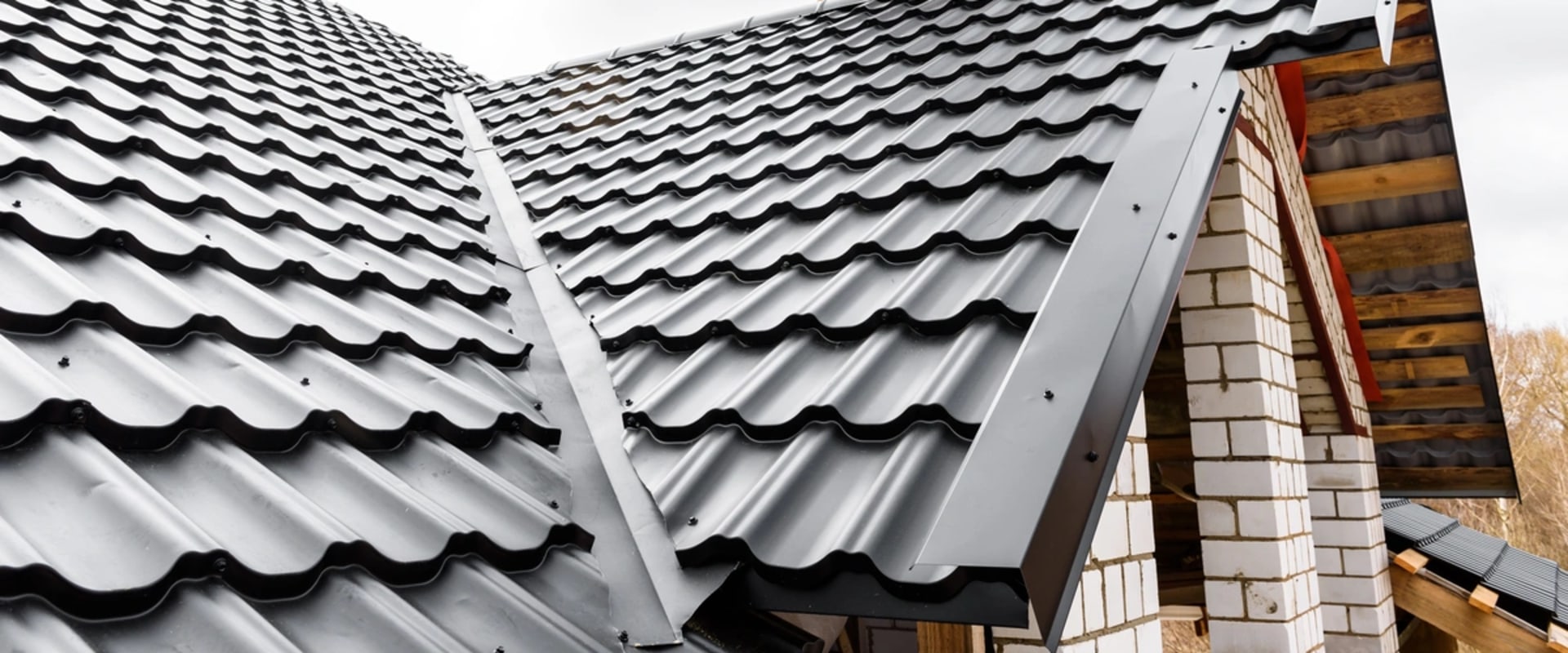
When you're considering metal roofing, you'll find a variety of options like corrugated metal, standing seam, stamped metal, and powder-coated steel. Each has unique benefits: corrugated metal is lightweight and cost-effective, ideal for heavy rain. Standing seam offers superior weather resistance and energy efficiency. Stamped metal mimics traditional materials while being versatile and durable. Aluminum is perfect for coastal areas due to its corrosion resistance; copper provides exceptional longevity and a unique patina. Steel is budget-friendly and highly durable, with multiple panel styles available. Understanding these options will help you make an informed decision tailored to your needs.
Types of Metal Roofing
When considering metal roofing, you'll find a variety of types that cater to different functional needs and aesthetic preferences, each with unique characteristics and benefits. Corrugated metal roofing is a popular choice due to its lightweight nature and cost-effectiveness. Its excellent water-shedding capabilities make it ideal for areas experiencing heavy rainfall. The ridges in the panels allow for rapid water runoff, reducing the risk of leaks.
Opting for standing seam metal roofs provides you with superior weather resistance and energy efficiency. These roofs feature vertical panels with interlocking seams that prevent moisture penetration and withstand harsh weather conditions. Additionally, they offer customization options regarding color and finish, enhancing both aesthetic appeal and functional performance.
Stamped metal roofing is another versatile option, known for its durability and energy efficiency. It's available in various textures and designs, allowing you to replicate traditional materials like clay tiles or wood shakes, complementing different architectural styles.
Lastly, powder-coated steel roofing gives you enhanced durability with its dry powder finish, which is both resilient and low maintenance. The wide range of color options enables you to achieve the desired look while ensuring long-lasting protection against wear and elements.
Aluminum Roofing
Pivoting from the robust options of steel roofing, aluminum roofing stands out with its lightweight structure and impressive corrosion resistance, making it particularly suitable for coastal environments. You'll appreciate the easy maintenance and long lifespan, which adds value to your investment. Due to its malleability, aluminum offers various design possibilities that are not easily achieved with heavier metals. However, keep in mind that aluminum is more prone to denting compared to steel, which could influence your decision based on your specific needs and climate conditions.
| Feature | Details |
|---|---|
| Cost | $5.00 - $10.00 per sq. ft. |
| Strength | Lightweight but more prone to dents |
| Design Options | Limited availability and colors |
The upfront cost is about 35% more than steel, ranging from $5.00 to $10.00 per square foot. This higher cost can be attributed to the thicker gauge needed to mitigate the higher dent susceptibility. Though aluminum might be pricier, its long-term durability and low maintenance requirements can make it a cost-effective solution for many. Do note, the limited availability and color options can restrict your choices, so it's essential to keep in mind your aesthetic preferences and practical needs before making a decision.
Copper Roofing
When considering copper roofing, you'll appreciate its exceptional longevity and durability, often exceeding 100 years. The unique patina aesthetic not only enhances visual appeal but also adds significant value to your property. Although the initial installation costs are high, copper's minimal maintenance and sustainable benefits make it a worthwhile investment.
Exceptional Longevity and Durability
Copper roofing stands out for its remarkable longevity, with lifespans exceeding a century when properly maintained. This exceptional durability primarily comes from copper's high resistance to corrosion. While other roofing materials may degrade over time due to exposure to the elements, copper remains resilient, requiring minimal upkeep. This means fewer repairs, translating to lower long-term costs for you.
Additionally, copper's recyclable nature adds an eco-friendly dimension to its durability. Copper roofs are not only robust but also sustainable, making them a smart choice for environmentally-conscious homeowners. Unlike synthetic materials that contribute to landfill waste, copper can be completely recycled at the end of its useful life, reducing your ecological footprint.
The structural integrity that copper provides is another major advantage. It's a material well-suited to withstanding various weather conditions, from heavy snowfall to intense heat. By opting for copper roofing, you're ensuring your home is protected against a range of environmental factors.
In essence, investing in copper roofing means you're choosing a material that offers unmatched longevity and durability. You'll enjoy peace of mind knowing your roof will remain strong and functional for decades, reducing both maintenance hassles and costs.
Unique Patina Aesthetic
Beyond its unmatched longevity and durability, copper roofing offers a unique patina aesthetic that elevates the visual cachet of any home. Over time, copper develops a signature green patina that not only enhances its appearance but also provides remarkable protective benefits. This patina forms as a result of natural oxidation and exposure to the elements, creating a finish that's both timeless and distinctive.
The green patina layer acts as a barrier, offering natural protection against corrosion and environmental damage. This characteristic makes copper roofing not just visually appealing but also incredibly resilient. The aesthetic transformation is entirely natural and doesn't compromise the structural integrity of the roofing material.
Key benefits of the unique patina aesthetic include:
- Aging Gracefully: The patina process enhances the roof's character and charm over time.
- Corrosion Resistance: The patina layer serves as a natural shield against corrosion.
- Sustainable Option: With a lifespan of 100+ years, copper roofing is durable and eco-friendly.
- Added Property Value: The distinctive green patina can increase the property's market value and allure.
High Installation Costs
The substantial installation costs of copper roofing stem primarily from the high price of copper as a raw material, often costing triple that of steel roofing. This price typically ranges from $13 to $25 per square foot, making it a significant investment for any property owner. However, the premium cost comes with several justifiable benefits.
First and foremost, copper roofing is renowned for its exceptional longevity, often lasting over a century. Unlike other materials that might require frequent repairs or replacements, copper's durability means a one-time investment can yield a lifetime of service. This long-term reliability reduces overall maintenance expenses, as copper roofing requires minimal upkeep over the years.
In addition to its durability, copper develops a unique green patina over time, enhancing both its aesthetic appeal and property value. This natural process doesn't just add beauty; it also provides an additional layer of protection against corrosion and other environmental factors.
Steel Roofing
When considering steel roofing, you'll appreciate its affordability and long-lasting durability, with costs ranging from $2.00 to $5.00 per square foot. It's available in a variety of panel types such as corrugated, standing seam, and metal shingle, each influencing appearance and installation complexity. With minimal maintenance required, steel roofing combines practicality with a selection of aesthetic options.
Affordable and Long-Lasting
Steel roofing stands out as a cost-effective solution, priced between $2.00 and $5.00 per sq. ft., offering over 50 years of durability with minimal upkeep. If you're looking for a roofing option that combines affordability with long-lasting performance, steel is a top contender. Compared to other materials, it offers significant advantages in both cost savings and low maintenance, making it appealing for both residential and commercial applications.
Steel roofs are built to withstand harsh weather conditions and provide superior longevity, meaning fewer replacements and repairs over time. Their durability contributes to long-term cost efficiency, and they're relatively easy to install and modify, adding to their attractiveness. You can also choose from a variety of finishes and colors to match your building's aesthetic.
Consider these key benefits:
- Affordability: Competitive pricing makes it accessible for diverse budgets.
- Longevity: Over 50 years of reliable performance with minimal maintenance.
- Customization: Wide selection of finishes and colors to suit any architectural style.
- Durability: Resistance to extreme weather conditions reduces the need for repairs.
Choosing steel roofing guarantees that you get a durable, low-maintenance, and customizable solution for your roofing needs.
Various Panel Types
After understanding the myriad benefits of steel roofing, it's crucial to comprehend the different panel types available to customize your roof to specific needs and aesthetics. Corrugated metal panels are a popular choice due to their cost-effectiveness, lightweight nature, and exceptional water-shedding capabilities, making them ideal for areas prone to heavy rainfall. These panels are easy to install and can greatly reduce overall roofing costs.
Standing seam panels, on the other hand, offer superior weather resistance and energy efficiency. They're fully recyclable and can be customized regarding width and finish, ensuring a seamless integration with your building's design. Their interlocking seams also provide a strong barrier against wind and moisture, enhancing longevity.
For those looking for the appearance of traditional materials, metal shingle panels are designed to mimic classic roofing styles while providing the durability and energy efficiency that steel is known for.
Metal slate and metal tile panels bring an aesthetic appeal reminiscent of natural slate and clay tiles but without the associated maintenance issues. They offer a long-lasting performance in a variety of styles and finishes, providing an elegant, timeless look.
Low Maintenance Requirements
A significant advantage of steel roofing is its inherently low maintenance requirements, which allow homeowners to enjoy a durable and long-lasting roof without the constant need for repairs and upkeep. The durability of steel roofing means you'll save both time and money, as it resists the common issues that plague other types of roofing materials. Steel roofs are particularly resilient against scratching, fading, and chipping, thereby maintaining their aesthetic appeal with minimal effort from your side.
Here are some compelling reasons why steel roofing is low maintenance:
- Durability: Steel roofs can last for decades, thanks to their robust nature, reducing the frequency of replacements and repairs.
- Resistance: Steel is naturally resistant to environmental damages like cracking and chipping, so you'll spend less on upkeep.
- Aesthetic Longevity: Unlike other materials that fade or deteriorate over time, steel roofs retain their look, reducing the need for cosmetic touch-ups.
- Cost-effectiveness: The initial investment in steel roofing translates to long-term savings, as minimal maintenance reduces ongoing costs.
With proper installation and care, a steel roof not only enhances your home's protection but also provides a cost-effective, worry-free solution for years to come.
Other Metal Roofing Materials
In addition to steel, you'll find that other metal roofing materials like aluminum, copper, zinc, and tin offer varied benefits and characteristics essential for specific environments and applications. Aluminum roofing is lightweight, corrosion-resistant, and malleable, making it exceptionally suitable for coastal environments where saltwater exposure is a concern. Its natural resistance to rust and ease of shaping into complex designs also make it a preferred choice for modern architectural aesthetics.
Copper roofing stands out due to its remarkable durability, often lasting over 100 years. Over time, it develops a unique green patina that not only enhances its visual appeal but also acts as a protective layer against corrosion. Zinc roofing shares similar longevity and patina-forming characteristics. Its ability to self-heal minor scratches further prolongs its lifespan, making it a practical, low-maintenance option.
Though tin roofing, now synonymous with coated steel, isn't as common today, it historically served as an economical, lightweight roofing solution. Modern advancements have led to more durable alternatives, but tin still finds niche applications. By understanding each material's distinct properties, you can select the best roofing solution tailored to your specific needs and environmental conditions.
Metal Roofing Factors
When selecting the finest metal roofing material, you must consider factors like cost-efficiency, durability, environmental impact, and aesthetic flexibility to guarantee prolonged performance and satisfaction. Corrugated metal roofing, for instance, is lightweight and cost-efficient, boasting exceptional water-shedding capabilities, making it ideal for regions with heavy rainfall. Standing seam metal roofs not only offer superior weather resistance and energy efficiency but also provide customizable options such as width and finish for tailored installation.
To guarantee your selection meets all specifications, focus on the following aspects:
- Durability: Evaluate the longevity and resistance to wear, like the over 100 years offered by copper roofing.
- Energy Efficiency: Consider materials that help in reducing energy costs, such as stamped metal roofing.
- Maintenance: Assess the frequency and intensity of required upkeep. Stamped metal roofing demands less maintenance, facilitating ease of care.
- Environmental Impact: Look into eco-friendly options like copper, known for its recyclability and minimal environmental footprint.
Powder-coated steel roofing also provides enhanced durability with its dry powder finish and resistance to scratching, offering extensive color choices for visual appeal. By meticulously examining these factors, you can ensure your metal roofing investment delivers optimal benefits and long-lasting value.
Selecting a Roofing Specialist
Choosing a roofing expert for your metal roof necessitates careful consideration of their proficiency with metal roofing installations and the range of materials they offer. Begin by assessing their experience specifically with metal roofs, as this specialty requires knowledge beyond standard roofing practices. Inquire about the different metal roofing materials and styles they provide, confirming they can meet your unique architectural and performance needs.
Check if the roofing expert provides warranties on both their workmanship and the materials used. A strong warranty demonstrates accountability and dedication to quality. Don't overlook verifying the expert's licensing, insurance, and relevant certifications. These qualifications are essential for ensuring they're qualified and legally permitted to carry out the work safely and professionally.
Seek out recommendations and read reviews from past clients. Honest feedback about the expert's punctuality, quality of work, and client satisfaction will offer valuable insights into their reliability and proficiency. A well-regarded roofing expert with positive testimonials is more likely to deliver exceptional service. By following these steps, you'll guarantee your metal roofing project is in capable hands, resulting in a durable and aesthetically pleasing outcome.
Selecting the appropriate metal roofing material can greatly influence your home's strength and visual attractiveness. By grasping the advantages and disadvantages of aluminum, copper, steel, and other metals, you'll make a well-informed choice. Don't overlook important factors such as climate, budget, and maintenance. Lastly, make sure to choose a proficient roofing expert to secure correct installation and durability. With these perspectives, you're well-prepared to invest in a metal roofing system that fulfills all your requirements.


