Buying a sander is only one part of preparing an indoor woodworking project. Before the first pass, decide how dust will be collected at the tool and how the work area will be cleaned. A plan made beforehand is easier to follow than a cleanup improvised after dust has spread.
Start where the dust is produced
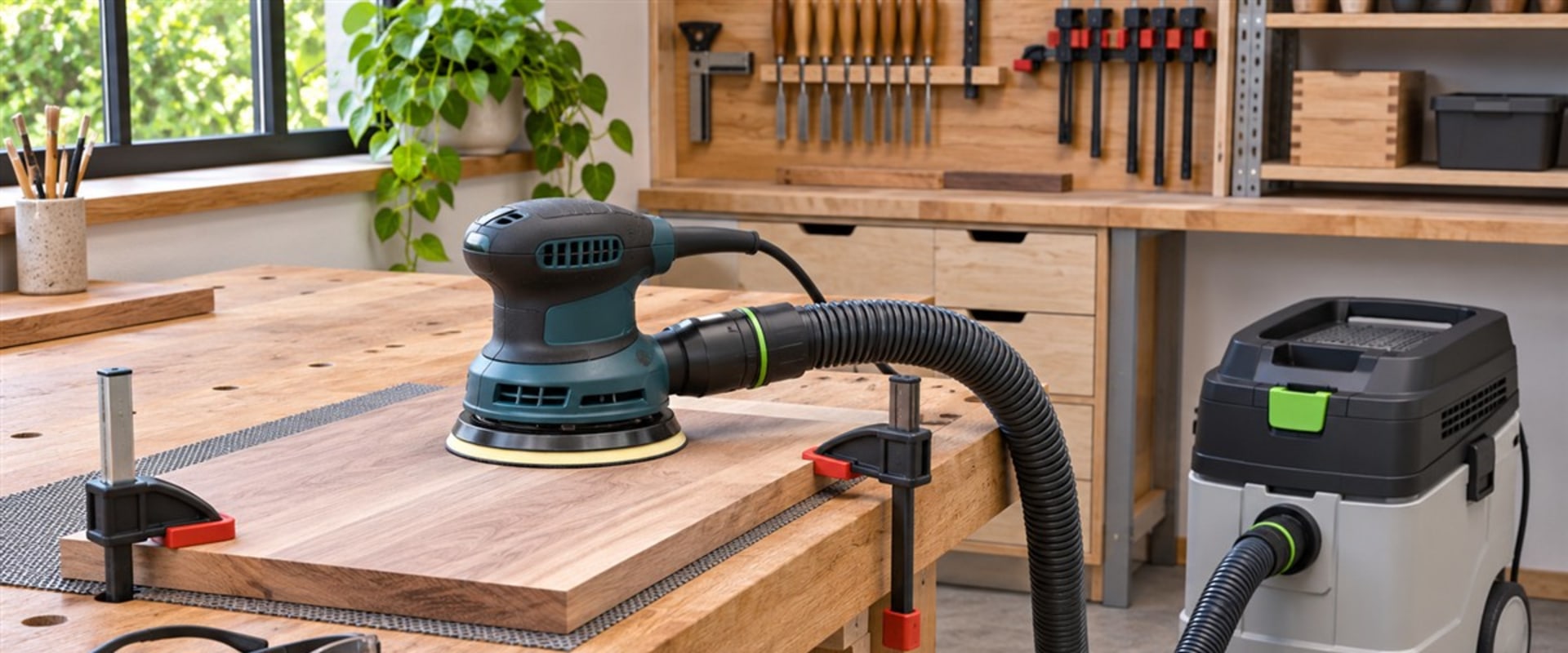
OSHA's wood-dust guidance identifies exhaust collection at the point where dust is generated as a preferred engineering control. For a home project, use that principle when checking the tool's dust port and the manufacturer's recommended collection equipment.
Ask which hose, adapter, filter and collection system are compatible with the specific sander and material. A connection that physically fits is not enough information to judge collection performance. Keep guards and other safety features in their intended configuration.
Put collection equipment on the shopping list
When comparing essential woodworking power tools, include the complete dust-management setup in the budget. Record the model numbers and replacement filter or bag requirements alongside the tool itself.
- Check the manuals for approved materials and collection arrangements.
- Arrange the hose so it does not interfere with the work or create a trip hazard.
- Plan access for emptying and maintaining the collector as instructed.
- Keep the work area separated from occupied rooms as appropriate to the project.
Dust collection does not replace eye protection, appropriate respiratory protection when needed, or the tool's operating instructions. A professional workshop also needs controls suited to its actual processes and applicable workplace requirements.
Do not blow the problem around
OSHA's woodworking fire guidance warns against using compressed air to blow accumulated dust into the air. Good housekeeping and suitable collection are important because wood dust can present a fire hazard as well as an exposure concern.
Choose cleanup equipment intended for the material and conditions involved. Keep ignition sources and incompatible materials out of the collection process. Do not assume an ordinary household vacuum is suitable for every workshop task.
Identify old finishes before disturbing them
This planning checklist concerns woodworking dust; it is not a clearance to sand an unknown coating. Older paint or other suspect materials may require a different assessment and work method. Resolve that uncertainty first.
Before starting, write down the collection setup, cleanup method and the person responsible for checking them. If the equipment cannot be assembled as its instructions require, pause the task until the missing part or guidance is available.